
Vintage — Authentication, provenance, patina.
The 50-year-old watch market is full of redials, frankenwatches, and undocumented service. The pieces below are the vintage references worth knowing — and how to verify they're what they claim to be.
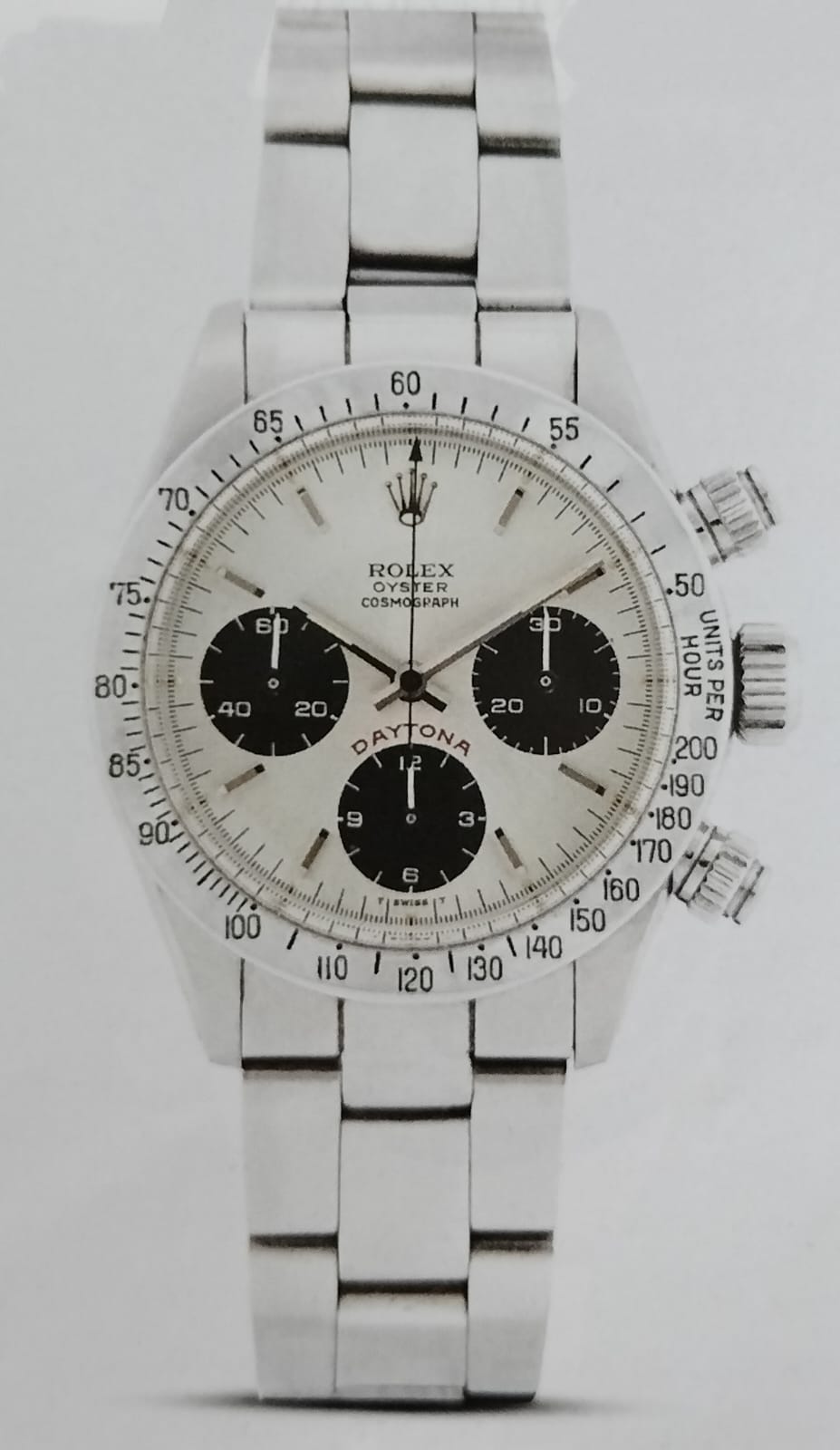 Photo by Clyde94, via Wikimedia Commons, CC BY-SA 4.0 (source)
What counts as a vintage watch?
Generally watches over 30 years old (pre-1995). The strictest definition is pre-1970 (before quartz commercialization). The loosest is anything pre-current-production. Among collectors, "vintage" usually means watches that predate significant design or movement changes — a 1970s Rolex Submariner 5513 is universally vintage; a 2010s 116610 is "neo-vintage" or modern. Vintage value is driven by limited original production, cultural recognition, and verifiable provenance. Authentication matters more than price.
Where to start
Vintage Rolex Buying Guide
Reference numbers, "tropical" dials, gilt vs matte, service dials, and how to spot a redial. The serious-collector reference.
VintageVintage Omega
Pre-Apollo Speedmasters, original Constellations, and the Seamaster references that defined Omega before the Bond era.
VintageVintage Heuer
Pre-Tag Carrera, Monaco, and Autavia references. The pre-quartz-crisis Heuer collector market.
VintageAuthentication 101
How to verify a vintage watch is what it claims to be. Movement matching, case matching, dial originality, papers, service history.
On vintage watches
What counts as a "vintage" watch?
Generally watches over 30 years old (pre-1995 by current standards), though "vintage" terminology varies. The strictest definition is pre-1970 (before quartz commercialization). The loosest definition is anything pre-current-production. Among collectors, "vintage" usually means watches that pre-date significant design or movement changes — a 1970s Submariner 5513 is universally vintage; a 1990s 16800 is borderline; a 2010s 116610 is "neo-vintage" or "modern."
Are vintage watches a good investment?
Specific references can be — vintage Rolex Daytona, GMT-Master, and Submariner have appreciated significantly. Most vintage watches, however, depreciate or hold flat after the initial collector recognition. The watches that consistently appreciate share three traits: limited original production, strong cultural recognition, and verifiable provenance. The watches to avoid: redials, married watches (movement and case from different references), service dials presented as original, and watches with undocumented service history.
Where should I buy a vintage watch?
Established dealers with authentication and warranty: Watches of Switzerland Pre-Owned, Bobs, Watchbox, Hodinkee Shop pre-owned, Chronoshark, Phillips (auction), Christie's (auction), Sotheby's (auction), Wempe Pre-Owned, and brand-direct programs (Rolex Certified Pre-Owned, Patek Vintage). Avoid eBay, Chrono24 listings without dealer reputation, and any seller who can't produce service history or cannot answer questions about reference, year, and movement number. The vintage market is full of fakes and frankenwatches; authentication matters more than price.
What is a "tropical" dial?
A "tropical" dial is a vintage Rolex (or other vintage) dial that has aged from its original color (typically black) to a warm brown tone due to UV exposure and chemical changes in the dial paint. Tropical dials are particularly prized on vintage Rolex Submariners (5513), GMT-Masters (1675), and Daytonas. Original tropical examples can sell for 3-5× the price of equivalent watches with non-tropical dials. The aesthetic is divisive — some collectors prefer the warm patina; others find it inconsistent. Authentication is critical because tropical dials can be artificially induced or faked.
What is a "service dial"?
A service dial is a replacement dial installed on a vintage watch during factory service. When a vintage watch is sent to Rolex, Omega, or another maker for service, the maker may replace damaged or faded original parts (dial, hands, bezel insert) with current-production replacements that match the original specification visually but are not the original parts. Service dials have a meaningful negative impact on collector value — typically 30-60% reduction compared to an equivalent original-dial example. Identifying service dials requires expertise: subtle differences in printing, lume composition, and metallic tones distinguish original from replacement.