 Photo by Verygoodlord, via Wikimedia Commons, CC BY-SA 4.0
 What is Rolex?
Rolex is a Swiss luxury watch manufacturer founded 1905 by Hans Wilsdorf, headquartered in Geneva. It is the most recognized watch brand in the world and the largest Swiss-made chronometer producer — over 1,000,000 watches per year. The company is owned by the Hans Wilsdorf Foundation, a private trust, which means Rolex publishes no financial results and is accountable to no shareholder. The catalog is structured around professional collections — Submariner (diving), Daytona (motorsport), GMT-Master (aviation), Explorer (mountaineering), Yacht-Master (sailing) — and dressier pieces (Datejust, Oyster Perpetual, Day-Date).
History
Hans Wilsdorf and his brother-in-law Alfred Davis founded the company in London in 1905, importing Swiss movements and casing them in British-made cases. The name "Rolex" was registered in 1908 — chosen, Wilsdorf later said, because it was short enough to fit on a watch dial and pronounceable in any language. The company moved to Geneva in 1919, primarily for tax and import-duty reasons during the post-WWI British economic environment.
Wilsdorf's technical agenda was unusual for the era. He insisted that wristwatches — at the time considered women's jewelry — could be reliable precision instruments. The 1910 chronometer certification of a Rolex movement (the first wristwatch to receive a Class A certification from the Kew Observatory) proved the thesis. The 1926 Oyster — the first waterproof and dustproof wristwatch — and the 1931 Perpetual rotor (the first practical self-winding mechanism for wristwatches) followed.
Hans Wilsdorf bet his name on the chronometer, then bet the chronometer on the wrist when nobody else thought wristwatches were serious.
Reference Points · Hodinkee
Wilsdorf had no children. In 1944 he established the Hans Wilsdorf Foundation, a Swiss private trust, and bequeathed the company to it. The foundation still owns Rolex today. Earnings flow back into the foundation rather than to shareholders, and a portion is reportedly directed to charitable activity in Geneva. The ownership structure is unusual at this scale: most luxury watchmakers are part of public conglomerates (Richemont, LVMH, Swatch Group). Rolex sits independently and answers to no one.
Signature collections
Submariner
Released 1953. The first dive watch waterproof to 100 meters. The current Submariner (124060 no-date / 126610LN date / 126610LV "Kermit" / 126618LB gold) is waterproof to 300m, runs the in-house Caliber 3230 (no-date) or 3235 (date), and starts at $9,200 retail. It is widely considered the most recognized dive watch in the world and the most-imitated watch design of the post-war era.
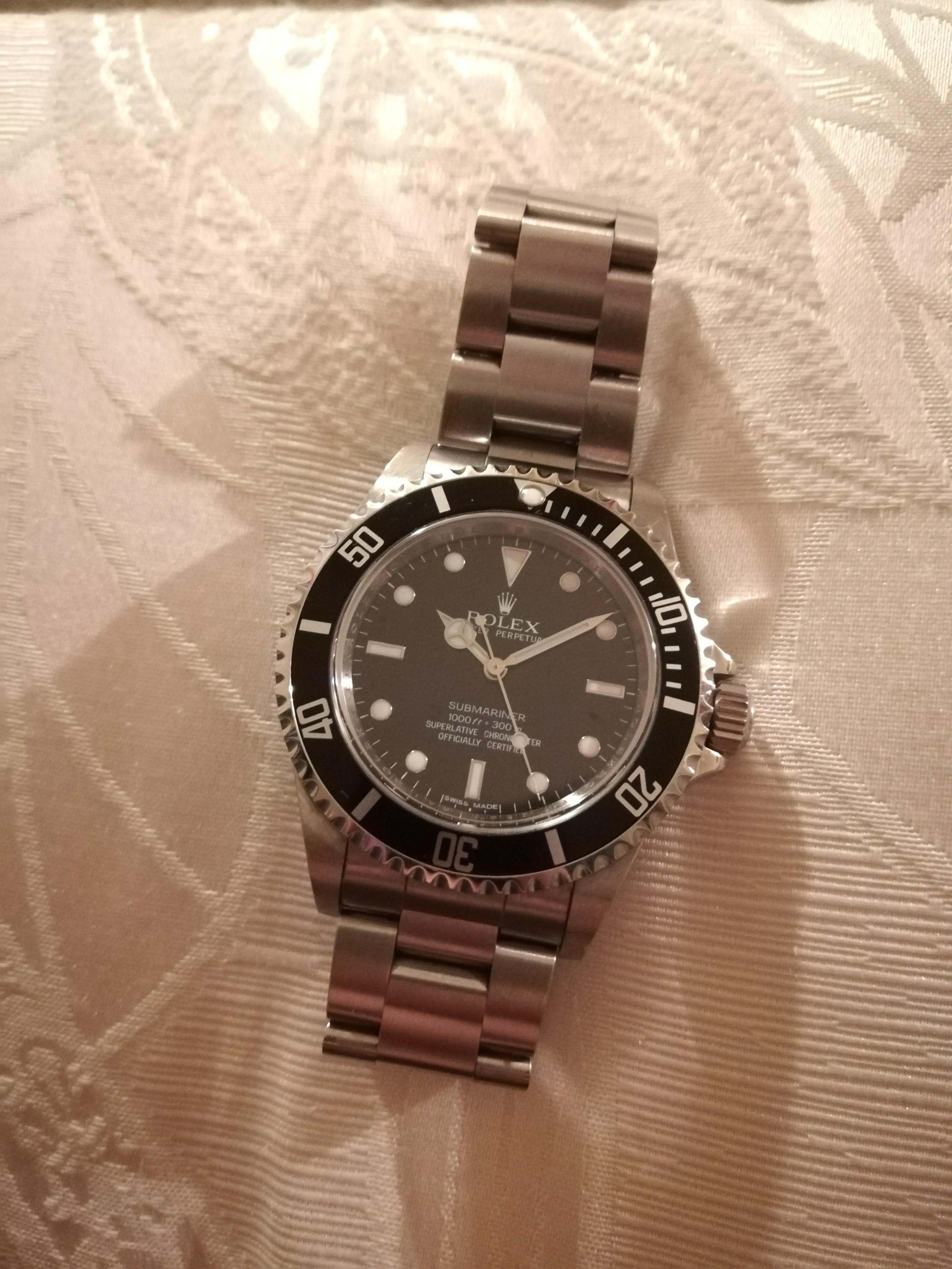
The Submariner became the dive watch by being the first to be reliably waterproof to 100 meters and the only one widely available at retail.
Daytona
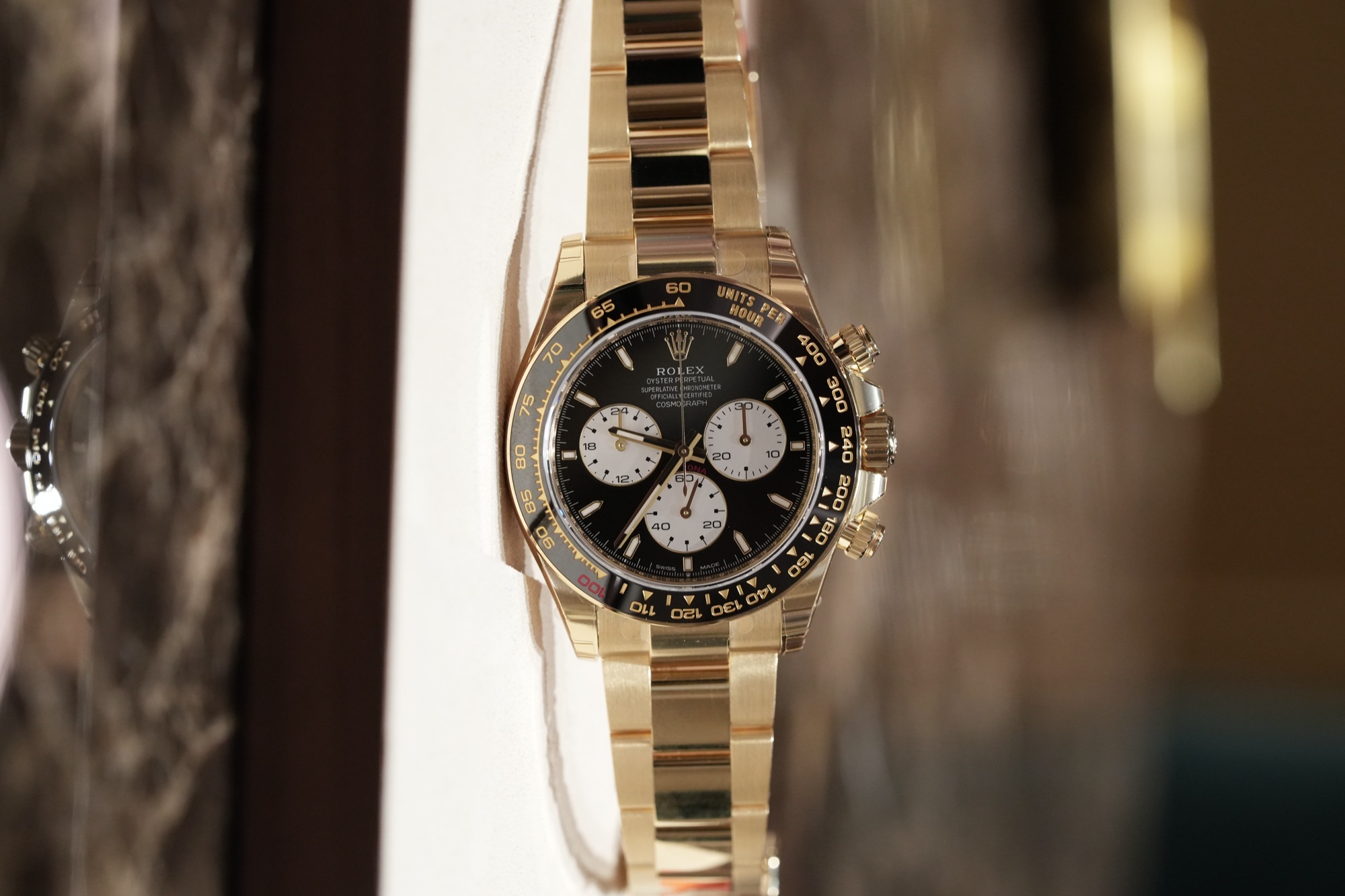
Released 1963 as the Cosmograph Daytona. Steel ceramic Daytona (126500LN, $15,100 retail) trades at $35,000-$45,000 on the secondary market. Paul Newman's personal Daytona — a Reference 6239 he wore daily for years — sold for $17.7 million in 2017, the highest price ever paid for a wristwatch up to that date. The "Newman" Paul Newman dial variants are the most collectible Rolex chronograph variants and routinely fetch high six and low seven figures at auction.
GMT-Master II
Original GMT-Master released 1955 for Pan Am pilots. The current GMT-Master II (126710BLRO "Pepsi", 126710BLNR "Batman", 126720VTNR "Sprite", 126711CHNR "Root Beer") runs the in-house Caliber 3285 with 70-hour power reserve and starts at $10,900. The "Pepsi" red-and-blue Cerachrom bezel is the brand signature; the "Batman" black-and-blue is the most allocated; the "Sprite" green-and-black is the newest. Multi-year waitlist at retail.
Datejust
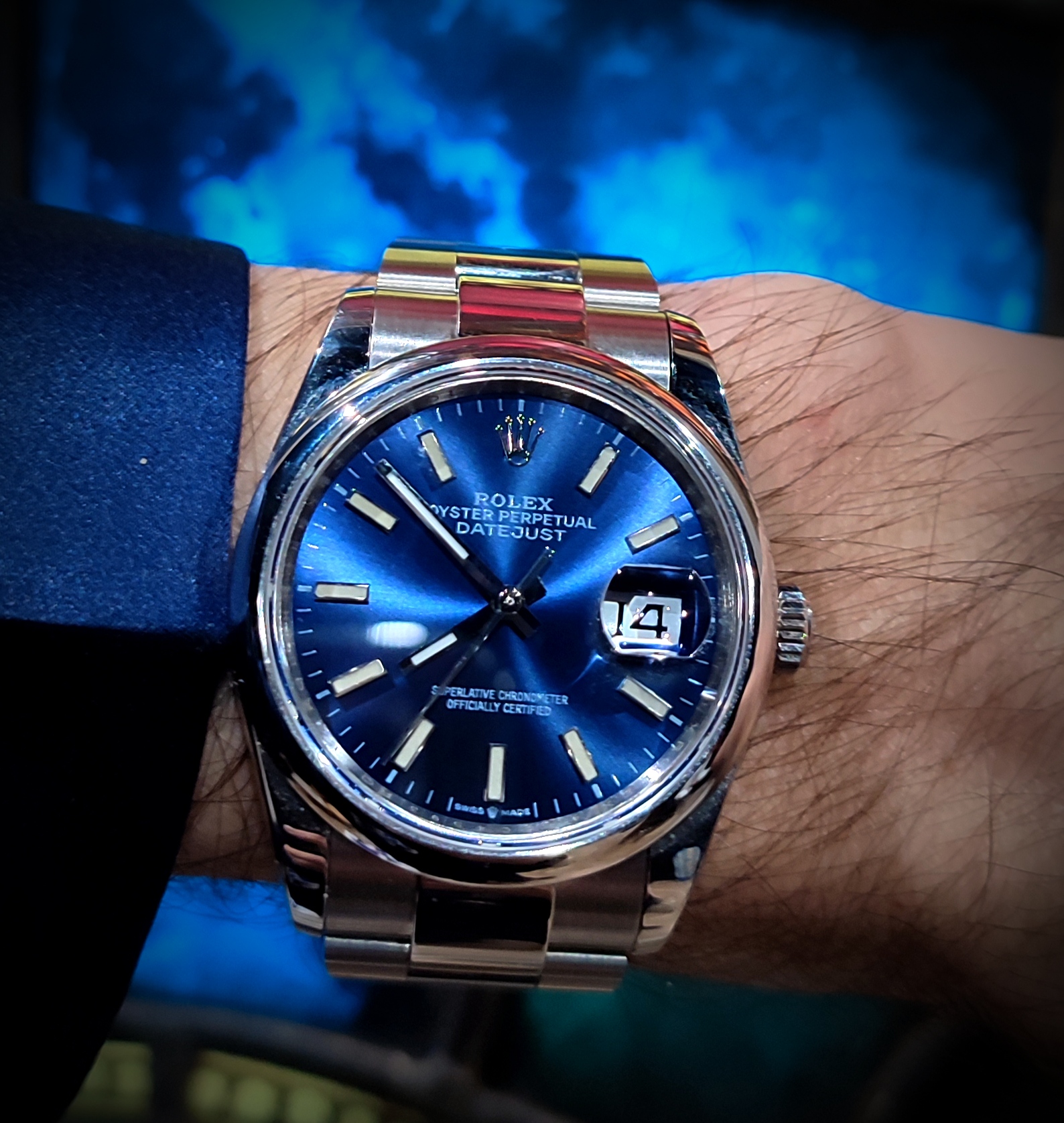
Released 1945 to mark Rolex's 40th anniversary. The first wristwatch to automatically display the date on the dial. The Datejust 36 (126200/126234) and Datejust 41 (126300/126334) are the most accessible Rolexes at retail — $7,500-$9,650 — and arguably the brand's most versatile design. Available with fluted or smooth bezel, dozens of dial variants, and Jubilee or Oyster bracelets. The watch that goes anywhere.
Day-Date
Released 1956 as the "President." The first watch to display both day and date on the dial — the day spelled out in full. Available only in precious metals (yellow gold, white gold, Everose gold, platinum) — the Day-Date is by design a status piece. Dwight Eisenhower wore one. So did Lyndon Johnson. The President bracelet, three-piece semi-circular links, has become synonymous with the watch.
Explorer / Explorer II
Explorer (124270, 36mm, $7,300) — a clean three-handed time-only watch with the Mercedes hour hand and 3-6-9 numerals at the cardinal positions. Often recommended as a one-watch collection for its proportion and legibility. Explorer II (226570, 42mm, $9,200) — adds a 24-hour bezel for cave explorers and polar expeditioners; the orange 24-hour hand is the brand signature.
Price tiers
Rolex retail pricing is structured by case material, complication, and dial configuration:
- Entry — Oyster Perpetual 36/41 ($6,400-$7,800), Air-King ($7,400). Steel, time-only, no date.
- Mid — Datejust 36/41 ($7,500-$13,500), Explorer ($7,300), Submariner no-date ($9,200). The volume of the brand.
- Sport flagship — Submariner Date ($10,900), GMT-Master II ($10,900-$11,500), Daytona steel ceramic ($15,100), Yacht-Master ($13,800-$54,000 depending on metal).
- Precious metal — Day-Date 36/40 ($37,000-$48,500), Yacht-Master II yellow gold, Sky-Dweller two-tone or solid gold ($16,500-$59,000).
- Collector / discontinued — Vintage Submariners (5513, 1680, 168000), Paul Newman Daytonas, two-tone GMTs, "tropical" dials. $25,000 to seven figures.
What's worth knowing
Rolex movements are entirely in-house — designed, machined, assembled, and regulated within the company. Since 2015, every Rolex carries the Superlative Chronometer certification: -2/+2 seconds per day, exceeding the COSC standard. Cases are 904L stainless steel ("Oystersteel"), a more corrosion-resistant alloy than the 316L most other manufacturers use. Crowns employ the Triplock or Twinlock seal systems for water resistance. Bracelets use the Glidelock or Easylink clasp extension to allow on-the-fly micro-adjustment.
The brand's value retention is structural. Limited authorized-dealer allocation, deep cultural recognition, and a catalog that changes slowly across decades create a market where most pieces hold value and many appreciate. The steel sport watches (Submariner, Daytona, GMT-Master, Explorer) are the safest long-hold pieces. The dress watches (Datejust, Oyster Perpetual) hold value but rarely appreciate. Precious-metal pieces depreciate like other luxury watches — gold value provides a floor, but bid-ask spreads are wide.
Sponsorships shape the brand's position in the cultural record. Wimbledon, the U.S. Open, two of four PGA majors, the Australian Formula 1 Grand Prix, the 24 Hours of Daytona, the America's Cup, Le Mans Classic, Cheltenham Festival. The watches appear on the wrists of the world's most photographed athletes and entertainers without the brand needing to pay for the placement.
What to know before you buy
- The grey-market premium is real.A "Pepsi" GMT ($10,900 retail) trades around $18,000-$22,000 on the secondary market. Daytona steel ceramic ($15,100) trades $35,000-$45,000. Buyers should know whether they're paying retail (waitlist) or grey-market premium (immediate).
- Authorized dealers reward loyalty. Allocation depends on purchase history. A first-time buyer asking for a Pepsi GMT will not receive one; a buyer who has spent $30,000-$50,000 with the dealer over several years has considerably better odds.
- The serial number reveals the year. Rolex uses random serial numbers since 2010, but earlier production used sequential or coded systems that allow precise dating. For pre-2010 watches, the serial confirms production year — important for vintage authentication.
- Service intervals are 10 years. Rolex publishes a 10-year service interval. Service costs $700-$1,200 for current models, more for complicated or precious-metal pieces.
Read next
Rolex sits at the top of the recognition tier of Swiss watchmaking. For the next tier up — auction prestige, finishing standards, and the watches that the watch industry itself watches — read about the Holy Trinity:
- Patek Philippe — Heirlooms in the Making
- Audemars Piguet — The Royal Oak Legacy
- Vacheron Constantin — The Oldest Continuously Operating Manufacturer
For Rolex's sister brand at lower price points:
For the dive-watch tradition Rolex's Submariner anchors: